


Halfway House vs Sober Living in Florida: What’s Right for Your Recovery?

When beginning your journey toward long-term sobriety, choosing the right environment can be just as important as the treatment itself. In Florida, individuals transitioning out of rehabilitation or seeking continued support often find themselves weighing two options: halfway houses and sober living homes. While they may seem similar on the surface, they serve different purposes. Understanding the differences between a halfway house vs sober living in Florida can help you make the best decision for your recovery path.
What Is a Halfway House?
A halfway house is typically a transitional living environment that combines housing with structured treatment or monitoring. These facilities often serve individuals exiting incarceration, inpatient rehab, or court-mandated programs. Halfway houses may provide access to outpatient therapy, medical care, case management, and have strict rules surrounding length of stay and curfews.
In Florida, halfway houses are usually licensed and regulated, offering support for individuals still in early recovery or those who require a higher level of supervision. However, these environments can sometimes feel more clinical or institutional due to the programming and oversight involved.
What Is a Sober Living Home?
A sober living home, such as Aloha House in West Palm Beach, Florida, offers a substance-free environment designed to support people who are ready to embrace independent living while still needing structure and accountability. Unlike halfway houses, sober living homes are not tied to clinical treatment or mandatory programming.
At Aloha House, we focus solely on providing a supportive, structured sober living environment where residents work on life skills, build routines, and develop community-based support. Our emphasis is on creating a family-like atmosphere that fosters independence, self-confidence, and lasting recovery. This is what sets us apart in the conversation around halfway house vs sober living in Florida.
The Key Differences: Halfway House vs Sober Living in Florida
Structure and OversightHalfway houses often require residents to attend therapy, comply with state mandates, or be involved in judicial or probation programs. In contrast, sober living homes like Aloha House are voluntary and offer more freedom, allowing residents to tailor their routines based on personal goals.
Length of StayMany halfway houses in Florida have time limits ranging from a few months to a year. Sober living homes typically allow residents to stay as long as they are making progress and adhering to house rules. At Aloha House, there is no pressure to "graduate" quickly; we support your journey at your pace.
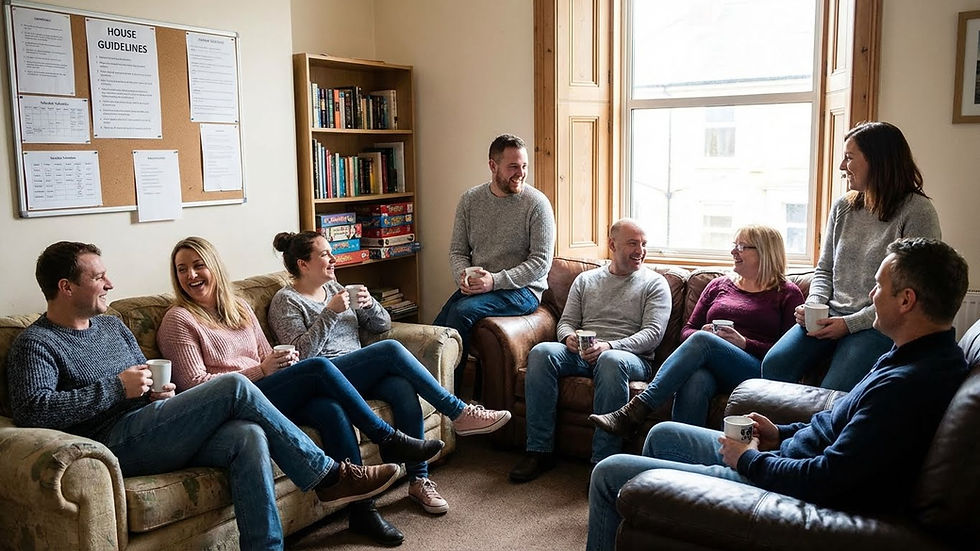
Environment and CommunityAloha House provides a warm, family-style living space that encourages friendship, mutual support, and healthy lifestyle development. Halfway houses, depending on their size and purpose, may be more crowded or focused on clinical compliance rather than emotional well-being.
Target DemographicHalfway houses often cater to individuals with legal obligations or those in early recovery stages. Sober living homes are ideal for people who have completed inpatient treatment or want a recovery-oriented environment without the constraints of a formal program.
Cost and CoverageHalfway houses may receive funding from government or nonprofit programs, which can reduce costs. Sober living homes like Aloha House typically operate privately and may not accept insurance, but the value lies in the sense of freedom, responsibility, and community that is difficult to replicate elsewhere.
These distinctions matter when evaluating the pros and cons of a halfway house vs sober living in Florida.
Why Choose Aloha House?
Located in the heart of West Palm Beach, Aloha House is more than just a sober living home. It’s a space where individuals come to rebuild their lives after treatment or personal hardship. With separate housing for men and women, our home provides a comfortable, safe environment to foster independence and long-term sobriety.
We do not offer outpatient therapy, nor are we affiliated with any court systems. Instead, we focus on:
Daily structure with personal accountability
Community activities and shared responsibilities
Encouragement from peers who are also committed to recovery
Opportunities to re-engage with work, education, or volunteerism
When considering halfway house vs sober living in Florida, Aloha House shines for those who seek a stable but non-clinical next step in their recovery journey.
Community That Feels Like Family
At Aloha House, the spirit of aloha isn’t just a name, it’s the foundation of our mission. Our team, including dedicated owners Dave and Jess, works closely with residents to ensure they feel heard, respected, and empowered. Whether it’s group outings, daily routines, or shared meals, everything we do is designed to promote healing, accountability, and connection.
Residents often share how Aloha House has become more than just a roof over their heads. It’s become their home, their safe space, and a source of inspiration. And that sense of belonging can make all the difference.
Ready to Take the Next Step?
If you or a loved one is deciding between a halfway house vs sober living in Florida, we invite you to explore Aloha House. Our structured sober living environment is perfect for those who are serious about staying sober but want to do so in a setting that feels more like a community and less like a clinic.
Contact us today to learn more about our admissions process and experience the difference of Aloha House for yourself. We’re here to support your next step in sober living, with guidance, structure, and the aloha spirit.


Comments